
Protecting your home is a priority for any Minnesota homeowner, but understanding the ins and outs of a homeowners policy can be challenging. From severe winter weather to the risk of tornadoes, Minnesota has unique hazards that affect coverage needs and costs. This guide explains the key elements of Minnesota home insurance coverage, including average premiums, standard policy limits, common exclusions, and ways to save. Whether you are a first-time buyer or reviewing your current policy, knowing what to look for helps you make an informed decision.
Average Cost of Home Insurance in Minnesota
Home insurance premiums in Minnesota vary depending on the provider, the value of the home, and the coverage selected. Multiple sources provide different average figures, reflecting different data years and policy types. According to NerdWallet, the average cost of homeowners insurance in Minnesota is $2,375 per year. Another NerdWallet analysis cited by a major insurer puts the average at $2,725 per year. Meanwhile, the National Association of Insurance Commissioners (NAIC) reported an average premium of $1,774 per year based on 2022 data. Farmers Insurance, one of the largest carriers, averages $1,864 per year for a $300,000 dwelling coverage, according to a US News rate study. These differences highlight the importance of shopping around and getting a personalized quote based on your specific property and needs.
Is Home Insurance Required in Minnesota?
Minnesota state law does not require homeowners to carry home insurance. However, if you have a mortgage, your lender will almost always require you to maintain a homeowners policy that meets certain coverage minimums. This protects the lender's financial interest in the property. Even if you own your home outright, carrying insurance is strongly recommended to guard against financial loss from fire, storms, liability claims, and other covered perils.
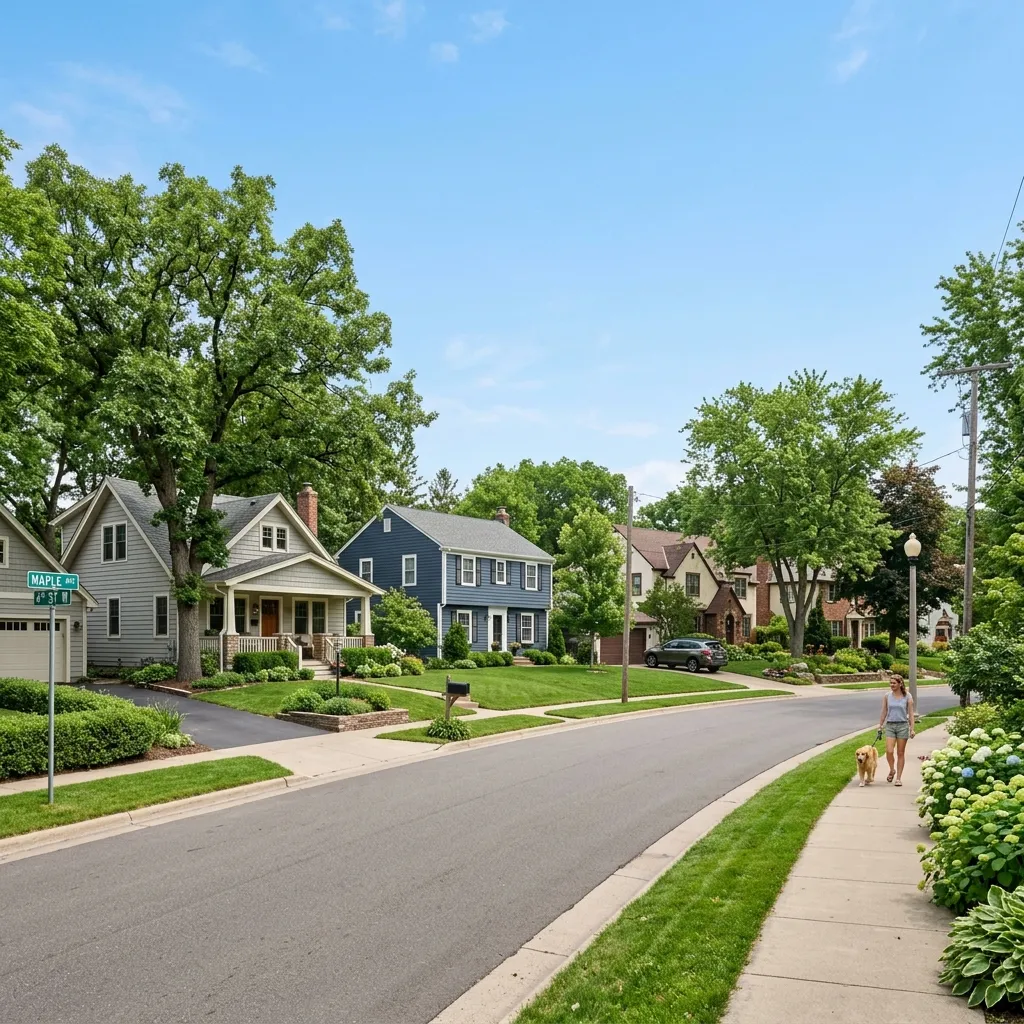
Standard Coverages in a Minnesota Homeowners Policy
Dwelling Coverage (Coverage A)
Dwelling coverage protects the physical structure of your home, including walls, roof, and built-in appliances. A typical minimum requirement is that your dwelling limit is at least 80% of the home's replacement cost value. This is not a legal mandate but a common underwriting standard used by insurers. Falling below that threshold may result in a penalty at claim time, such as receiving only actual cash value instead of replacement cost. An inflation guard clause is often included in policies to automatically adjust dwelling limits upward as construction costs rise.
Other Structures (Coverage B)
Structures on your property that are not attached to the main dwelling, such as a detached garage, shed, or fence, are covered under Other Structures. The standard limit for Coverage B is typically 10% of your dwelling coverage amount. If you have a valuable detached building, you may want to increase this limit or purchase additional coverage.
Personal Property (Coverage C)
Your belongings, including furniture, electronics, clothing, and other personal items, are protected under Personal Property coverage. The standard limit is usually 50% of your dwelling coverage. For example, if your home is insured for $300,000, you would have $150,000 in personal property coverage. Keep in mind that certain high-value items like jewelry or art may have sub-limits and require a separate floater for full protection.
Liability Coverage
Standard homeowners policies offer liability coverage that protects you if someone is injured on your property or if you cause damage to someone else's property. The typical base limit is $100,000. Many homeowners choose to increase this limit to $300,000 or $500,000 for greater financial protection. For additional coverage beyond the policy limits, a personal umbrella policy is available and is worth considering.
Important Exclusions and Additional Options
Flood Damage Is Not Covered
Standard homeowners insurance policies do not cover flood damage. This includes flooding from heavy rain, overflowing rivers, or groundwater seepage. To protect your home from flood events, you need a separate flood insurance policy, which is available through the National Flood Insurance Program (NFIP). Even if you are not in a high-risk flood zone, flood damage can occur and is a common gap in coverage.
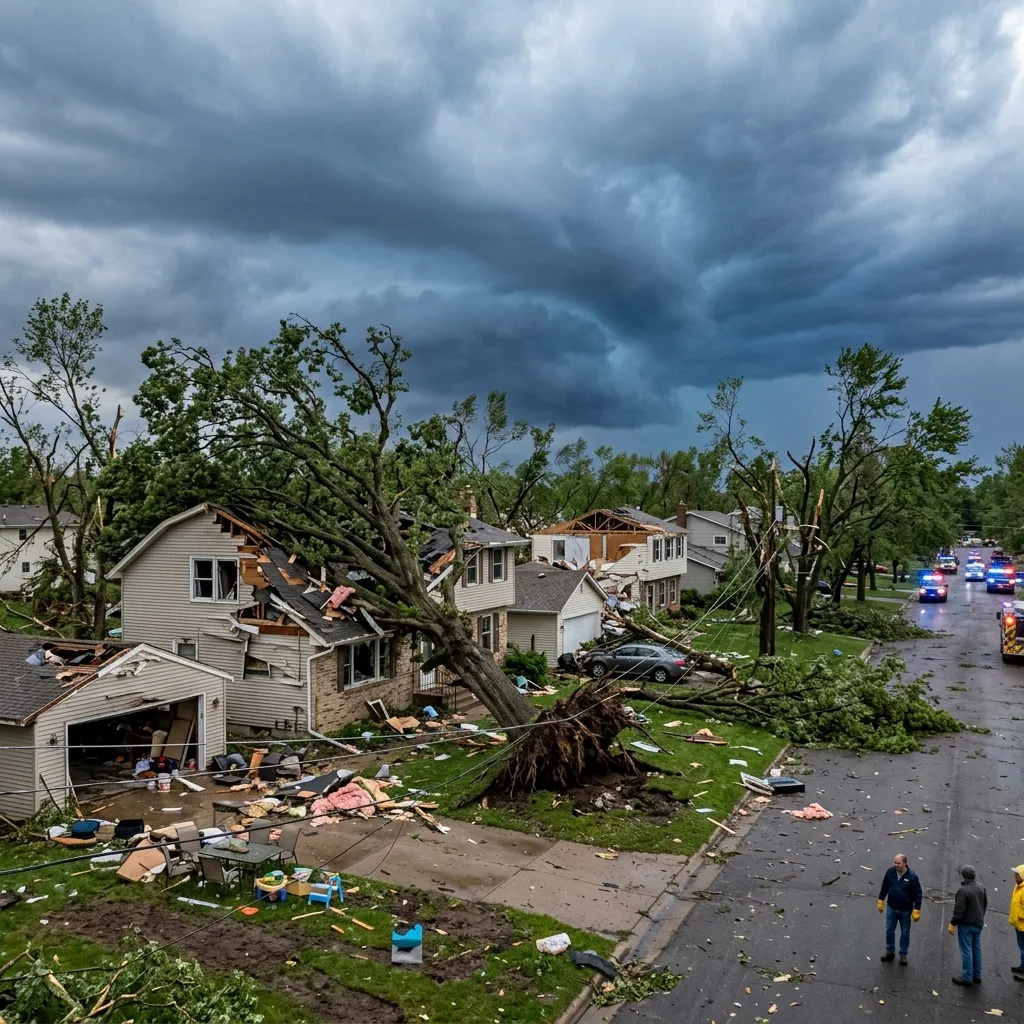
Tornado Damage Is Covered
Unlike flood, damage caused by tornadoes is generally covered under a standard homeowners policy. Minnesota experiences tornadoes, especially during spring and summer. Wind and hail damage, which often accompany tornadoes, are typically included in standard policies as well. Be sure to review your policy's deductible for wind and hail, as some insurers apply a separate, higher deductible for these perils.
The Minnesota FAIR Plan for High-Risk Properties
Some homeowners may struggle to find coverage in the standard insurance market due to a history of claims, property condition, or location. For these situations, the Minnesota FAIR Plan serves as an insurer of last resort. It provides basic property insurance for applicants who have been canceled, non-renewed, or otherwise unable to obtain coverage from a standard insurer. The FAIR Plan offers limited coverage compared to a standard homeowners policy, but it ensures that Minnesota homeowners can access essential protection when no other option is available.
Discounts and Ways to Save
Many insurers in Minnesota offer discounts that can lower your premium. Common discounts include bundling your home and auto insurance with the same company, installing protective devices such as smoke detectors or security systems, being a non-smoker, and having a new or recently renovated home. Some companies also offer a discount for purchasing your policy online. Working with a local independent agent can help you identify which discounts apply to your situation and compare options from multiple carriers.
Inflation Guard and Umbrella Policies
An inflation guard clause is a valuable feature that automatically adjusts your dwelling coverage amount to keep pace with rising construction costs. Without it, your home could become underinsured over time. A personal umbrella policy provides an extra layer of liability protection beyond the limits of your homeowners and auto policies. It is relatively affordable and can be critical if you face a large lawsuit. Minnesota homeowners with significant assets or higher liability risks often benefit from adding an umbrella policy.

Choosing the Right Coverage
Selecting the right homeowners policy involves balancing cost with adequate protection. Start by estimating the replacement cost of your home and the value of your belongings. Consider your liability exposure and whether you need additional coverages for flood, sewer backup, or high-value items. Review your policy annually and after major life events. Working with a knowledgeable agency that understands Minnesota-specific risks can make the process smoother and help ensure you are not left with gaps in coverage.
Frequently Asked Questions
Is homeowners insurance required by law in Minnesota?
No, Minnesota law does not require homeowners to carry insurance. However, mortgage lenders typically require it as a condition of the loan. Even without a mortgage, carrying homeowners insurance is strongly recommended to protect your investment and personal assets.
What is the 80% rule for dwelling coverage?
The 80% rule is a common insurer guideline meaning your dwelling limit should be at least 80% of the home's replacement cost. If you insure your home for less than that amount, your claim payout may be reduced. This rule is not a legal requirement but is widely used by insurance companies.
Does standard home insurance cover flood damage in Minnesota?
No, flood damage is not covered by a standard homeowners policy. You must purchase a separate flood insurance policy through the National Flood Insurance Program (NFIP) or a private insurer. Even if you are not in a flood zone, consider flood coverage for protection against heavy rainfall or overflow.
What is the Minnesota FAIR Plan and who qualifies?
The Minnesota FAIR Plan is an insurer of last resort that provides basic property insurance to homeowners who cannot get coverage in the standard market. To qualify, you must have been canceled, non-renewed, or unable to obtain coverage from a standard insurer. It offers limited coverage but ensures access to insurance for high-risk properties.
Can I get a discount for bundling home and auto insurance?
Yes, bundling your home and auto insurance with the same company is a common way to save money. Many insurers offer a multipolicy discount. Additional discounts may be available for protective devices, new home construction, non-smokers, and online purchases. Ask your agent to review all applicable discounts.
Ready to Protect Your Home?
Understanding your home insurance coverage is the first step toward protecting your investment and your family. Minnesota's unique weather patterns and hazards require thoughtful planning and the right policy structure. At Bradley Hansen Agency, we specialize in helping Shakopee, Prior Lake, and surrounding areas find the perfect homeowners insurance solution. Our team reviews your specific needs, explains your options clearly, and helps you avoid costly coverage gaps.
Don't wait until a claim happens to realize you're underinsured. Contact us today at (952) 222-4479 or visit bradleyhansenagency.com to get a personalized quote. Let our award-winning team show you why homeowners throughout the Twin Cities trust Bradley Hansen Agency for their insurance protection.